
Beyond Maintenance: Why Fluid Cleanliness is an Operational Priority
Beyond Maintenance: Why Fluid Cleanliness is an Operational Priority
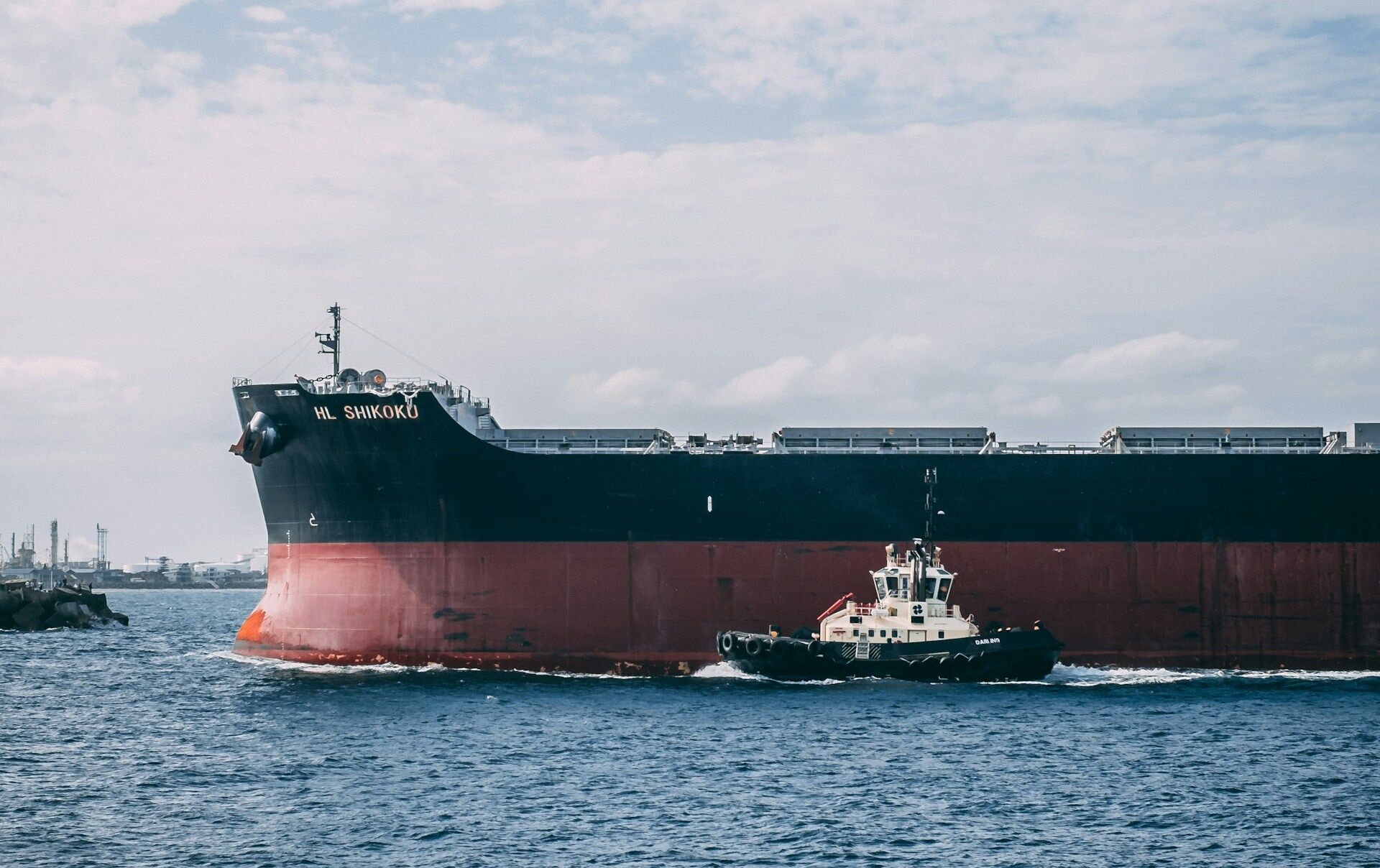
In complex marine and industrial operations, reliability is rarely determined by one component alone. It depends on multiple systems continuing to perform as intended – often for long operating periods, under significant loads and in demanding environments.
Yet one factor capable of influencing the reliability and longevity of many of those systems is remarkably small: contamination.
At Colavatis, protecting critical assets through cleaner fluids sits at the heart of what we do. We work with maritime and industrial operators to improve the cleanliness and condition of fuel, lubrication and hydraulic fluids through advanced filtration, fluid conditioning and contamination control – helping to extend equipment life, reduce maintenance, improve efficiency and support cleaner, greener and more reliable operations.
Our experience across these applications continually reinforces an important engineering principle: fluid cleanliness should be considered far more than a routine maintenance requirement. Where equipment is critical to an operation, managing contamination becomes part of the wider strategy for asset protection, reliability and operational resilience.
The cumulative cost of contamination
Contamination does not necessarily announce itself through an immediate failure.
Its effects can accumulate progressively as microscopic particles circulate through engines, pumps, injectors, bearings, valves and hydraulic components.
Over time, abrasive wear can reduce component life and affect system performance. Moisture presents further challenges, particularly within lubrication and hydraulic systems, where maintaining fluid condition is integral to protecting valuable equipment.
The commercial consequences can extend well beyond the cost of replacing a component.
Unplanned maintenance can mean lost operating time, disrupted production, delayed projects, additional labour, replacement parts and potentially significant downstream disruption. For industrial businesses, where machinery may form part of an interconnected production process, the loss of one critical asset can affect productivity far beyond the machine itself.
For commercial marine operators, reliability carries another dimension.
At Sea, Reliability Has a Wider Responsibility
A vessel cannot simply pull over when something goes wrong.
Commercial vessels, workboats and offshore assets operate in environments where dependable propulsion, auxiliary machinery, generators and hydraulic equipment can be fundamental to maintaining safe and effective operations.
The consequences of equipment failure therefore have the potential to extend beyond maintenance costs and lost productivity to operational capability and, depending upon the equipment and circumstances involved, safety.
Filtration alone does not determine whether an asset is safe or reliable. Effective engineering relies on multiple systems, maintenance disciplines and operational controls working together. But preventing avoidable contamination-related wear should form part of a considered approach to protecting critical equipment.
This is why Colavatis approaches filtration as part of a broader fluid management strategy – understanding the application, the fluid, the contamination challenge and the operational objectives before identifying the appropriate solution.
Cleanliness Should Be Engineered, Not Assumed
Effective fluid management starts with understanding the condition required by the equipment and maintaining it throughout operation.
ISO cleanliness codes provide an established method of defining particulate contamination within hydraulic and lubrication systems. Monitoring fluid condition can then help operators identify trends and make maintenance decisions based on evidence rather than waiting for a problem to become apparent.
Filtration is an important part of that strategy.
Conventional filtration may remove larger contaminants, but very fine particles can continue circulating within critical systems. Advanced fine and ultra-fine filtration provides the opportunity to remove contamination at much smaller particle sizes and maintain a higher standard of fluid cleanliness.
Among the technologies offered by Colavatis is MICFIL Ultra-Fine Filtration, for which Colavatis is the sole UK distributor. Its solutions can be applied across fuel, lubrication and hydraulic fluids, supporting Colavatis’ wider approach to improving fluid cleanliness and protecting critical systems.
But the objective is not filtration for filtration’s sake.
The objective is better protection of the asset and the operation that depends upon it.
From Maintenance Cost to Lifecycle Value
This changes the commercial argument around filtration.
If cleaner fluids can help reduce wear, extend component and fluid life, support greater reliability and reduce maintenance intervention, the value should be considered across the lifecycle of the equipment rather than simply against the cost of installing a filtration system.
For Colavatis, this is also where fluid management and sustainability increasingly converge.
Extending the useful life of oils, components, engines and machinery can help reduce unnecessary fluid disposal, replacement parts and waste, while making better use of existing assets and the resources already invested in them.
For operators seeking practical ways to improve environmental performance without compromising operational requirements, protecting and optimising the assets they already own can therefore make an important contribution.
One Principle, Multiple Industries
The engineering principle is equally relevant whether the asset is operating at sea or on land.
From commercial vessels and offshore infrastructure to power generation, hydraulic systems, industrial machinery and other specialist assets, dependable equipment relies upon the condition of the fluids circulating through it.
The application may differ, but the objective remains remarkably consistent: protect the equipment, improve reliability and maximise useful asset life.
That is the role Colavatis sets out to fulfil. Through specialist expertise in filtration, fluid conditioning and contamination control across fuel, lubrication and hydraulic fluids, we help operators protect the systems their businesses – and, in some maritime environments, their people – depend upon.
Fluid cleanliness is therefore much more than a maintenance metric.
It is part of asset protection, operational resilience, lifecycle management and sustainable engineering.
Because when the reliability of an asset matters to the wider operation, the condition of the fluids running through it matters too.
Colavatis – Supporting cleaner, greener and more reliable operations.
Visit www.colavatis.com or contact Charles Hansard to discover how Colavatis can help protect your critical assets through advanced filtration, fluid conditioning and contamination control.
#COLAVATIS #MICFIL #MarineFiltration #FuelPolishing #CommercialMarine #Workboats #MarineEngineering #Maritime #ContaminationControl #Seawork
